Sheep & Solar Grazing
Our innovative sheep-mowing and solar farm sheep maintenance services
What Is Sheep & Solar Grazing
- Grazing sheep on farmland, urban spaces, and solar installations (solar farms)
- Sheep are the preferred species for solar grazing due to their size and behavior
- Naturally suited to the environment—can navigate around panels without damage
- Benefit from shade under solar panels, especially in hot weather
- Graze in tight or hard-to-reach areas where machinery or humans struggle
- Efficient, low-impact vegetation management solution
- Reduce overgrowth that can interfere with solar panel performance
- Provide a sustainable, eco-friendly alternative to mowing or herbicides
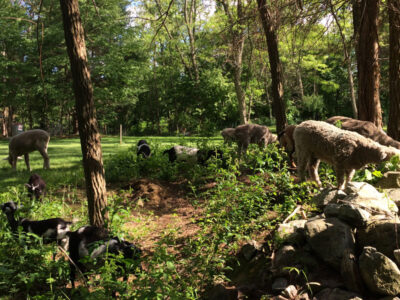

Why Sheep & Solar Grazing
- Prevents damage from invasive vines and tree growth
- Reduces panel shading, helping maintain optimal energy production
- Sheep are the most effective and practical animals for the job
- Supports consistent vegetation control for solar farm operations & maintenance
- More environmentally friendly than traditional mowing methods
- Lowers reliance on fuel-powered equipment and herbicides
Benefits of Sheep & Solar Grazing
- Nationwide growth of ground-mounted solar farms is increasing demand
- Strong partnership opportunity as solar developers target agricultural land
- Supports pollination and improves overall soil health
- Enables local production of dairy, meat, and wool
- Diversifies farm operations and increases revenue streams
- Eliminates need for mechanical mowing, reducing carbon emissions
- Lowers long-term vegetation management costs
- Provides a nutritious, usable pasture for livestock
Solar Grazing & Sheep Mowing
We specialize in long-term grazing solutions for solar fields using both goats and Katahdin sheep. Grazing reduces mowing costs, improves soil health, and supports pollinator-friendly environments.
- Vegetation control beneath and around panels
- Reduced need for mechanical mowing
- Lower operational and maintenance costs
- Improved site sustainability and ESG goals
Solar grazing projects typically require animals on site for 2 weeks or longer and may be located beyond our immediate service area.
Get a Quote
Sheep & Solar Grazing FAQ
Solar grazing is the practice of using sheep to manage vegetation on solar farms. Instead of mowing or spraying, sheep naturally graze grass and weeds around solar panels.
Sheep are the best fit because they are small, gentle, and don’t damage solar equipment. Unlike goats or cattle, they don’t climb, chew wiring, or disturb panel structures.
- Prevents overgrowth that can damage equipment
- Reduces shading that lowers energy production
- Lowers maintenance costs compared to mowing or herbicides
- Provides consistent vegetation control
Yes. Sheep eliminate the need for gas-powered mowing and reduce chemical use, lowering emissions and environmental impact.
Yes. Sheep naturally fertilize the land as they graze, which helps improve soil health, supports biodiversity, and can benefit pollination.
- Creates additional income opportunities
- Provides access to new grazing land
- Reduces feed costs
- Diversifies farm operations
Solar grazing has become a reliable revenue stream for many farmers as the industry grows.
The rapid expansion of solar farms across the U.S. is increasing demand for efficient land management solutions. Sheep grazing offers a practical, cost-effective alternative.
In many cases, yes. Sheep can fully replace or significantly reduce the need for mechanical mowing, lowering costs and carbon emissions.
Yes. Sheep benefit from:
- Shade from solar panels during hot weather
- Access to consistent forage
- Protection from extreme weather conditions
Absolutely. Solar companies and farmers benefit mutually—solar farms get cost-effective maintenance, while farmers gain land access and income.
No, if anything, it enhances it. Sheep grazing supports local production of meat, wool, and dairy while maintaining land productivity.